



Key Takeaways
- A treatment environment is a clinical condition rather than an optional amenity, because a nervous system that reads a room as unsafe stays braced, and a braced person does not do the work.
- Institutional features like fluorescent light, locked doors, and bolted chairs can reactivate the very state treatment is trying to settle, especially for people with histories of being managed, hospitalized, or arrested.
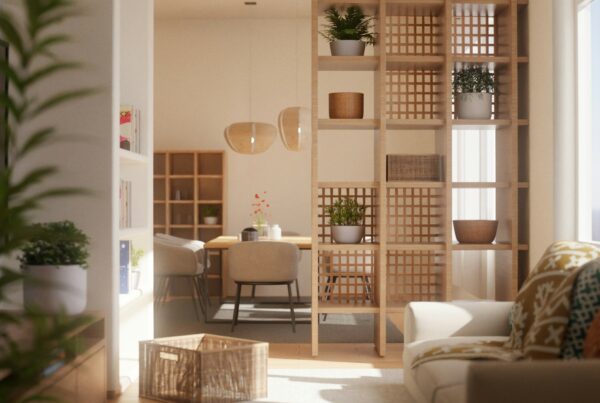
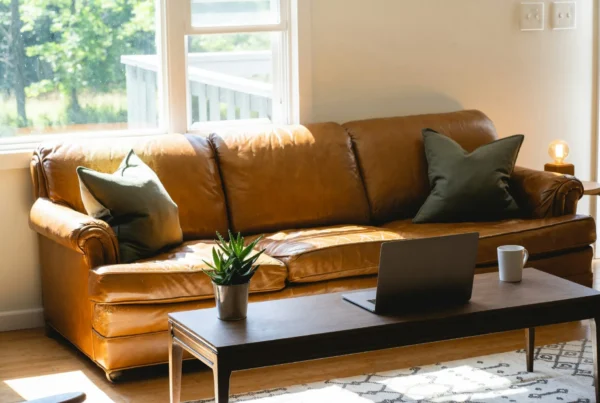
- Natural light, soft materials, movable seating, private arrival, and rooms sized for the group help the body feel safe enough for trauma work, where safety comes before processing.
- Privacy is a clinical feature for professionals and others managing a reputation alongside an illness, since some people will not arrive if arriving risks being seen.
- Environment lowers the barrier to doing the work but is not the work, so ask about clinicians and credentials first, and consider whether your home environment supports recovery.
Treatment environments are usually discussed as amenities, which frames them as luxury and therefore optional. That framing misses the clinical point. A nervous system that reads a room as unsafe stays braced, and a braced person does not do the work. The room is not decoration around the treatment. It is a condition of it.
What Institutional Settings Do
Fluorescent light, laminate, locked doors, a check-in window with a sliding glass panel, chairs bolted in rows. Each of those is defensible on its own and together they communicate something specific: this is a place things are done to you. For someone whose history includes being managed, hospitalized, or arrested, that environment reactivates the exact state treatment is trying to settle.
The Threat System Runs Underneath Everything
Trauma work in particular depends on a person being regulated enough to approach difficult material without being overwhelmed. Somatic and EMDR approaches are explicit about this: safety first, then processing. A space that keeps the body on alert works directly against the thing being attempted in it. See our EMDR and somatic therapy article.
What Actually Changes Behavior in a Room
- Natural light, which affects mood and circadian regulation rather than just looking better
- Soft materials and acoustic dampening, so a raised voice does not carry down a hallway
- Seating you can arrange, which restores a small amount of control to someone who has little
- Privacy at arrival, so that walking in is not itself an exposure
- Absence of institutional signals: no bolted furniture, no glass partitions, no clinical smell
- Rooms sized for the group in them, since too large reads as exposed and too small as trapped
Privacy Is a Clinical Feature
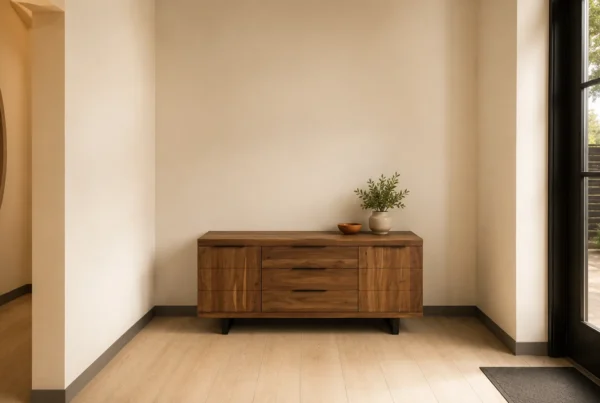
Many of the people we treat are managing a reputation alongside an illness: professionals, people with public roles, people whose families do not know. If arriving somewhere risks being seen, some of them will not arrive. Discretion is not vanity in that context, it is access. Our space is designed to feel like a private practice rather than an institution, and nothing about the building announces why you are there. See high-functioning addiction.
Confidential Next Step
Want to see the space before you decide?
We are at 1009 Yale St in the Houston Heights. Come look.
What Environment Cannot Do
A beautiful space with weak clinical care is a nicer place to not get better. Plenty of programs market photographs and deliver very little, which is worth saying plainly given what this industry looks like. Environment lowers the barrier to doing the work. It is not the work. Ask about clinicians and credentials before you ask about the furniture. Our ten questions to ask covers what to prioritize.
The Environment You Return To
There is a second environment that matters more than ours: the one you go home to every night. That is the central difference between outpatient and residential care, and it is an advantage when the home environment supports recovery and a serious problem when it does not. It is one of the first things we assess. See our outpatient versus residential comparison.
If this is an emergency or you are thinking about harming yourself, call 911, or call or text 988 to reach the Suicide and Crisis Lifeline. In Harris County, The Harris Center operates a 24-hour crisis line at 713-970-7000. Heights Behavioral Health is an outpatient program and is not a 24-hour crisis service.
Frequently Asked Questions
Does the treatment environment actually affect outcomes?
It affects engagement, which affects outcomes. A space that keeps someone in a threat state makes it harder to do the clinical work, particularly trauma work that depends on regulation first.
Is a nice facility just marketing?
It can be. A comfortable space with weak clinical care is still weak care. Ask about clinician credentials and program structure before you evaluate the furniture.
Do you take insurance?
We are private pay and out of network, so we are not contracted with insurance plans. Part of what private pay allows is a plan built around clinical need rather than what a contract authorizes. Pricing is explained before you commit, and superbills are available for out-of-network benefits.
Why does privacy matter so much?
For people managing a professional reputation or a family that does not know, being seen arriving is a real barrier. Discretion determines whether some people come at all.
Can I see the space before enrolling?
Yes. Call and arrange it. Any program that will not show you where treatment happens is worth questioning.
What about my environment at home?
It matters more than ours, and it is one of the first things assessed. An unsafe or actively using household may mean a higher level of care is the safer starting point.
Come See Where the Work Happens
1009 Yale St, Houston, TX 77008. One call to arrange a visit or talk through fit.
Sources
Written and Reviewed by Licensed Clinicians
Joni Ogle is a Licensed Clinical Social Worker (LCSW) and Certified Sex Addiction Therapist (CSAT) with over 37 years of clinical experience in mental health and addiction recovery, dual diagnosis treatment, behavioral addictions, and family intervention. She is the founder of Heights Behavioral Health and Heights Mentoring in Houston, Texas, where she leads a team of licensed clinicians.
Texas LCSW #37376 · Verify license
Deborah Darnell-Drake, LCSW-S, ACSW, LMFT is the Chief Clinical Officer at Heights Behavioral Health and a clinical reviewer. With more than five decades of experience in mental health and substance use disorder treatment, Deborah specializes in addiction, co-occurring mental health conditions, family dynamics, and behavioral addictions including gambling and technology addiction.
Texas LCSW-S #14508 · LMFT #1125 · Verify license
Start a Confidential Conversation
One confidential message connects you with our admissions team and a clear next step. Prefer to talk now? Call (877) 549-5102.