



Key Takeaways
- Cocaine and alcohol are the most common two-drug pairing seen in assessment, and together they are meaningfully more dangerous than either substance alone.
- When both are present, the liver produces cocaethylene, which lasts longer than cocaine, is toxic to the heart and liver, and carries a higher risk of sudden cardiac events.
- Each substance masks the other, so amounts of both climb while the person underestimates how much is on board, and fentanyl contamination in the cocaine supply adds overdose risk.
- In a combined pattern, alcohol sets the medical risk of withdrawal, which can involve seizures; when supervised withdrawal must come first, detox is assessed for and referred out.
- Because the two are behaviorally fused, treatment addresses the drinking, the cocaine use, the situations that produce both, and any anxiety or depression underneath, in one plan.
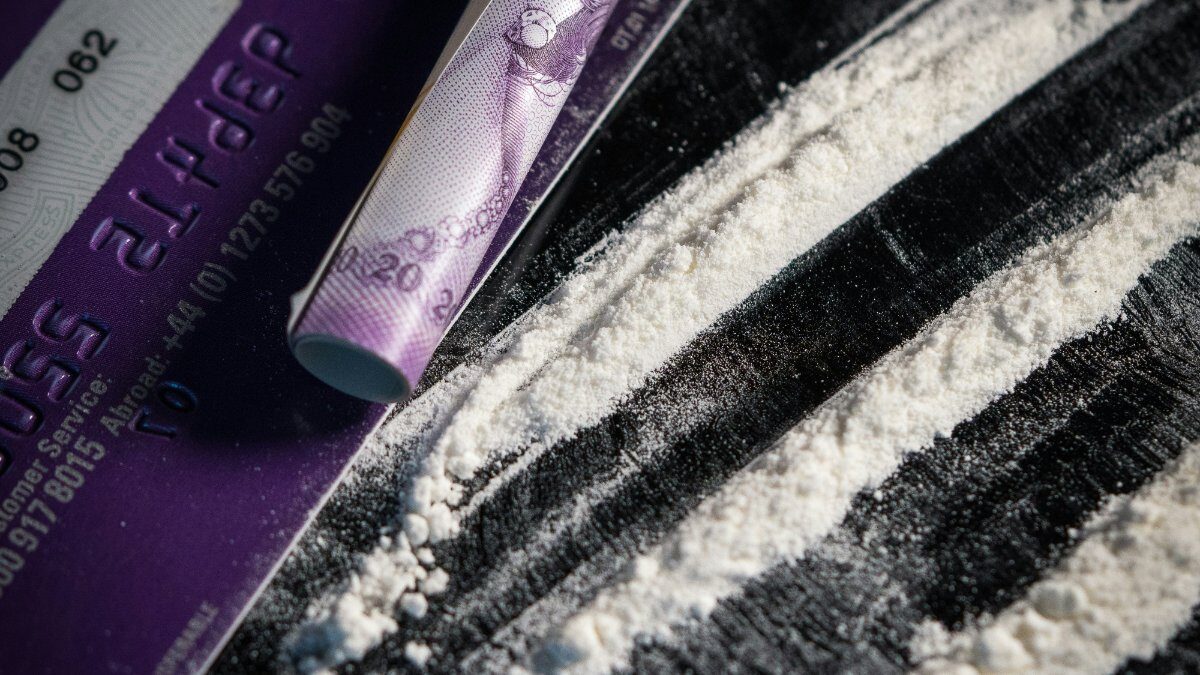
Cocaine and alcohol are used together so routinely that most people do not think of it as a combination at all. It is the most common two-drug pairing we see in assessment, and it is meaningfully more dangerous than either substance alone, for a specific and well-documented reason. For how we treat the stimulant side of that pairing, see cocaine and stimulant addiction treatment in Houston.
Cocaethylene: What Happens in the Liver
When cocaine and alcohol are present at the same time, the liver produces a third compound called cocaethylene. It lasts longer in the body than cocaine, it is toxic to the heart and liver, and it is associated with a higher risk of sudden cardiac events than cocaine alone. The subjective effect is a longer, smoother high, which is exactly why the combination is so reinforcing.
Why the Pairing Is So Common
Each substance solves a problem the other creates. Cocaine offsets the sedation of drinking, so people drink more and for longer without feeling it. Alcohol takes the edge off the jitteriness of cocaine. The result is that both amounts climb while the person underestimates how much of either is on board. Our polysubstance article covers this masking effect more broadly.
The Risks Worth Naming Plainly
- Elevated risk of heart attack, arrhythmia, and stroke, including in young people with no prior cardiac history
- Greater impairment than either substance alone, with worse judgment about driving
- Sharply increased alcohol intake, raising the risk of physical dependence
- Fentanyl contamination in the cocaine supply, which can cause overdose in someone with no opioid tolerance
- A pattern that binds drinking and cocaine use together, so cutting back on one rarely holds
Integrated Dual Diagnosis Care
If cocaine only happens when you drink, that is the pattern.
A confidential assessment looks at both together instead of one at a time.
Withdrawal: Which Substance Sets the Risk
Cocaine withdrawal is punishing but not typically medically dangerous. Alcohol withdrawal can be, and with physical dependence it can involve seizures and be life threatening. In a combined pattern, alcohol sets the medical risk. We do not provide detox on site; we assess for it and coordinate the referral when supervised withdrawal has to come first. Our alcohol use disorder article covers this in detail.
How We Treat It
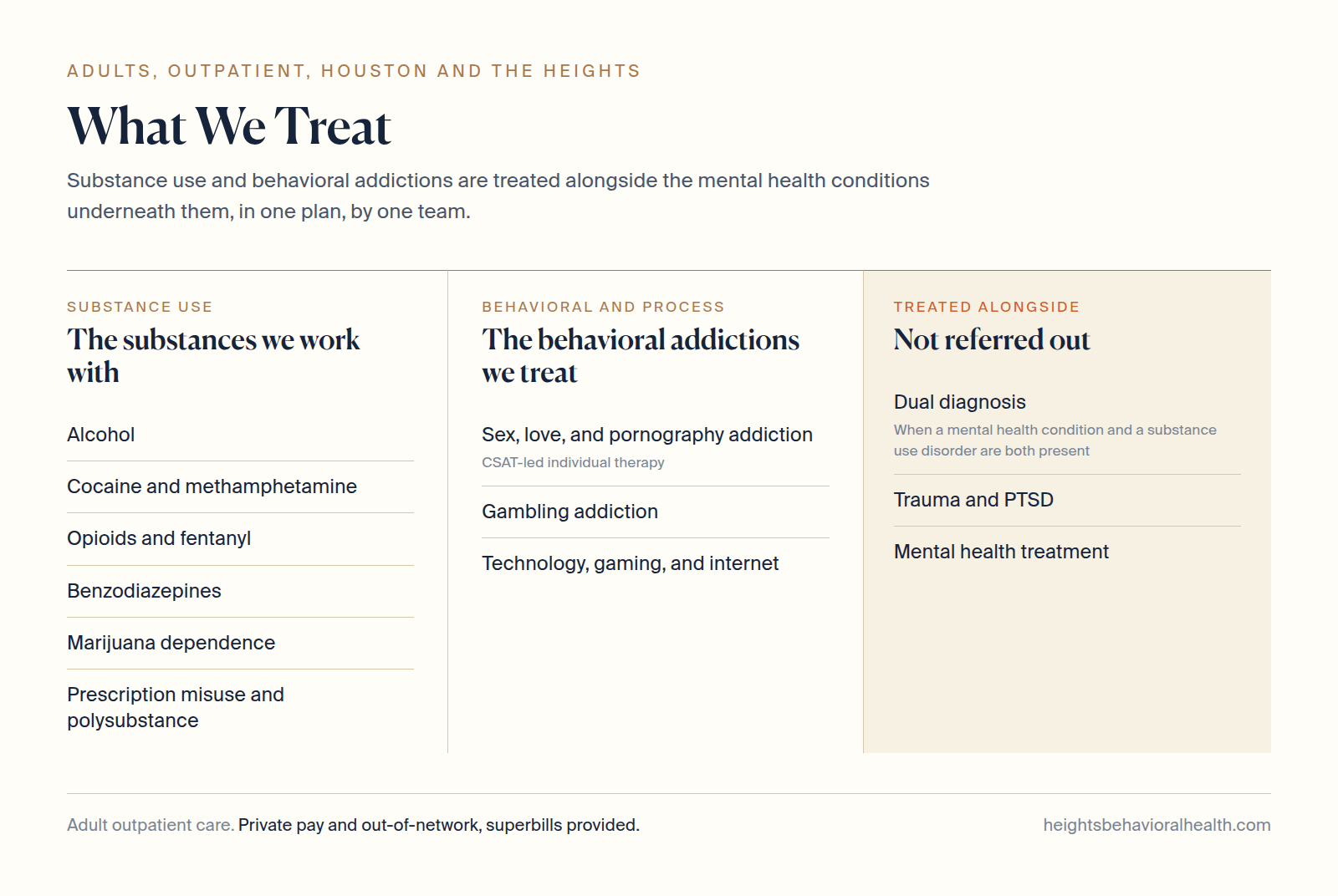
Treating one substance while leaving the other in place rarely works here, because the two are behaviorally fused. Treatment addresses the drinking, the cocaine use, and the situations that reliably produce both, along with any anxiety or depression underneath. Naltrexone can be part of the plan for alcohol, and our cocaine and stimulant treatment article covers the stimulant side. Care happens in our Individualized Intensive Program, PHP, or IOP.
If this is an emergency or you are thinking about harming yourself, call 911, or call or text 988 to reach the Suicide and Crisis Lifeline. In Harris County, The Harris Center operates a 24-hour crisis line at 713-970-7000. Heights Behavioral Health is an outpatient program and is not a 24-hour crisis service.
Frequently Asked Questions
What is cocaethylene?
A compound the liver produces when cocaine and alcohol are present together. It lasts longer in the body than cocaine, is toxic to the heart and liver, and is associated with increased risk of sudden cardiac events.
Is mixing cocaine and alcohol more dangerous than either alone?
Yes. The combination increases cardiovascular risk, produces greater impairment, and typically drives higher consumption of both substances than either would alone.
Do you take insurance?
We are private pay and out of network, and not in network with any plan. Pricing for an assessment and for the recommended level of care is explained before you commit to anything. Some clients use out-of-network benefits to offset part of it, and we provide the superbill to submit.
I only use cocaine when I drink. Is that a problem?
It is a recognizable pattern rather than a coincidence, and it usually means both have to be addressed together. Trying to moderate one while continuing the other rarely holds.
Which withdrawal is the dangerous one?
Alcohol. Alcohol withdrawal can involve seizures and can be life threatening with physical dependence, so stopping abruptly on your own is not safe. Cocaine withdrawal is difficult but not usually medically dangerous.
Do you offer medication for alcohol use?
We offer MAT with naltrexone or buprenorphine where clinically appropriate. We do not provide medical detox on site and coordinate that referral when it is needed first.
Treat the Pattern, Not One Half of It
A confidential assessment that looks at the drinking and the cocaine use together.
Sources
Written and Reviewed by Licensed Clinicians
Joni Ogle is a Licensed Clinical Social Worker (LCSW) and Certified Sex Addiction Therapist (CSAT) with over 37 years of clinical experience in mental health and addiction recovery, dual diagnosis treatment, behavioral addictions, and family intervention. She is the founder of Heights Behavioral Health and Heights Mentoring in Houston, Texas, where she leads a team of licensed clinicians.
Texas LCSW #37376 · Verify license
Deborah Darnell-Drake, LCSW-S, ACSW, LMFT is the Chief Clinical Officer at Heights Behavioral Health and a clinical reviewer. With more than five decades of experience in mental health and substance use disorder treatment, Deborah specializes in addiction, co-occurring mental health conditions, family dynamics, and behavioral addictions including gambling and technology addiction.
Texas LCSW-S #14508 · LMFT #1125 · Verify license
Start a Confidential Conversation
One confidential message connects you with our admissions team and a clear next step. Prefer to talk now? Call (877) 549-5102.