



Key Takeaways
- The long-held belief that quitting nicotine during addiction treatment threatens sobriety does not match the evidence, since people who address nicotine tend to do at least as well on their primary substance.
- Vaping can deliver as much nicotine from a single high-nicotine pod as a pack of cigarettes and has no natural stopping point, often producing stronger dependence than the smoking it replaced.
- Nicotine matters in recovery because its withdrawal mimics early recovery, it stays paired with drinking and stimulant cues, and it can keep a self-medication ritual intact.
- Timing is a clinical judgment, and addressing nicotine while clinical support is in place is ideal, though someone stabilizing from alcohol or opioids may wait a few weeks.
- Combining nicotine replacement, prescribed medications, and behavioral support works better than willpower, and not being ready yet is a legitimate answer rather than a moral failing.
Nicotine is the one substance that recovery culture has traditionally left alone. Coffee and cigarettes have been treatment-program shorthand for decades, and the reasoning was that asking someone to give up everything at once would break them. That reasoning is intuitive, widely believed, and not what the evidence shows.
The Assumption That Turned Out to Be Wrong
The long-standing belief was that quitting smoking during addiction treatment would threaten sobriety. Research has generally found the opposite: people who address nicotine during treatment tend to do at least as well, and often better, on their primary substance. Nobody is required to quit here, and it is worth knowing that the reason most programs never raise it does not hold up.
What Vaping Changed
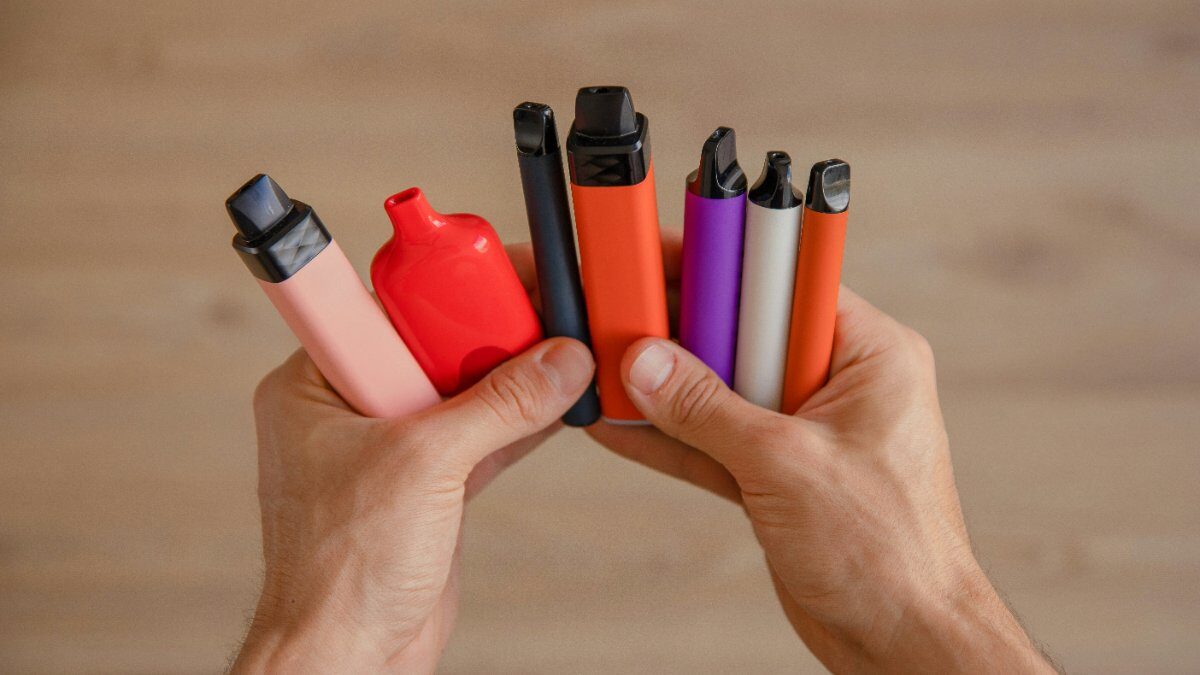
A single high-nicotine pod can deliver what a pack of cigarettes delivers, and vaping has no natural stopping point. There is no butt, no smell, no going outside. People vape at their desk, in bed, mid-conversation, which produces near-continuous nicotine exposure and a dependence that is often stronger than the cigarette habit it replaced. Many people who switched to quit are now more dependent than they were.
Why It Matters More in Recovery
- Nicotine withdrawal produces irritability, restlessness, and difficulty concentrating, which are easy to mistake for early recovery itself
- Smoking and vaping are tightly paired with drinking and with stimulant use, so the cue survives after the substance goes
- It is often the last remaining ritual that functions as self-medication, which keeps the underlying pattern intact
- Tobacco-related illness kills a large share of people in long-term recovery from other substances
- It quietly reinforces the belief that you need something to get through the day

Timing, Which Is a Real Question
The strongest case is addressing nicotine while you already have clinical support around you, rather than alone at month nine when the structure is gone. That said, if you are in the first weeks of stabilizing from alcohol or opioids, this is a conversation for a few weeks from now. It is a clinical judgment and it belongs in your treatment plan rather than in a resolution.
Confidential Substance Use Help
Want to address nicotine while you have support around you?
Bring it up in your assessment. We will build it into the plan rather than treating it as a separate project.
What Actually Helps You Quit Nicotine
Nicotine replacement, prescribed medications, and behavioral support all have evidence, and combining them works better than willpower. Medication decisions go through a prescriber. The behavioral side is the same work you are already doing in treatment: identifying cues, tolerating discomfort without acting, and finding something that regulates you that is not a substance. Our relapse prevention article covers the skills, and cross-addiction explains why the compulsion tends to relocate if the driver is untreated.
If You Are Not Ready
That is a legitimate answer and it is not a moral failing. Nobody here will make it a condition of treatment or bring it up at every session. What we would ask is that you not conclude permanently that it cannot be done, because that belief tends to be the actual obstacle rather than the nicotine.
If this is an emergency or you are thinking about harming yourself, call 911, or call or text 988 to reach the Suicide and Crisis Lifeline. In Harris County, The Harris Center operates a 24-hour crisis line at 713-970-7000. Heights Behavioral Health is an outpatient program and is not a 24-hour crisis service.
Frequently Asked Questions
Will quitting smoking hurt my recovery from alcohol or drugs?
The evidence generally points the other way. People who address nicotine during treatment tend to do at least as well on their primary substance, which contradicts the long-standing assumption behind leaving it alone.
Is vaping better than smoking?
It avoids combustion products, but it also delivers nicotine continuously with no natural stopping point, and dependence is often stronger. Many people who switched in order to quit ended up more dependent.
Do you take insurance?
We are private pay and out of network, and not contracted with insurance plans. Nicotine work is addressed inside your plan of care, and we explain the full cost of that plan before you commit. If your plan has out-of-network benefits, we provide the superbill.
When should I quit if I am in early recovery?
It is a clinical judgment. Having support around you is an argument for sooner rather than later, but the first weeks of stabilizing from alcohol or opioids may not be the moment. Discuss it in your treatment plan.
Do you require clients to quit nicotine?
No. It is not a condition of treatment. We will raise it as part of a full clinical picture and then follow your lead.
What actually works for quitting?
Combining nicotine replacement or prescribed medication with behavioral support works better than any single approach, and considerably better than willpower alone.
Address It While You Have Support
Bring nicotine into your treatment plan instead of leaving it for later, alone.
Sources
Written and Reviewed by Licensed Clinicians
Joni Ogle is a Licensed Clinical Social Worker (LCSW) and Certified Sex Addiction Therapist (CSAT) with over 37 years of clinical experience in mental health and addiction recovery, dual diagnosis treatment, behavioral addictions, and family intervention. She is the founder of Heights Behavioral Health and Heights Mentoring in Houston, Texas, where she leads a team of licensed clinicians.
Texas LCSW #37376 · Verify license
Deborah Darnell-Drake, LCSW-S, ACSW, LMFT is the Chief Clinical Officer at Heights Behavioral Health and a clinical reviewer. With more than five decades of experience in mental health and substance use disorder treatment, Deborah specializes in addiction, co-occurring mental health conditions, family dynamics, and behavioral addictions including gambling and technology addiction.
Texas LCSW-S #14508 · LMFT #1125 · Verify license
Start a Confidential Conversation
One confidential message connects you with our admissions team and a clear next step. Prefer to talk now? Call (877) 549-5102.